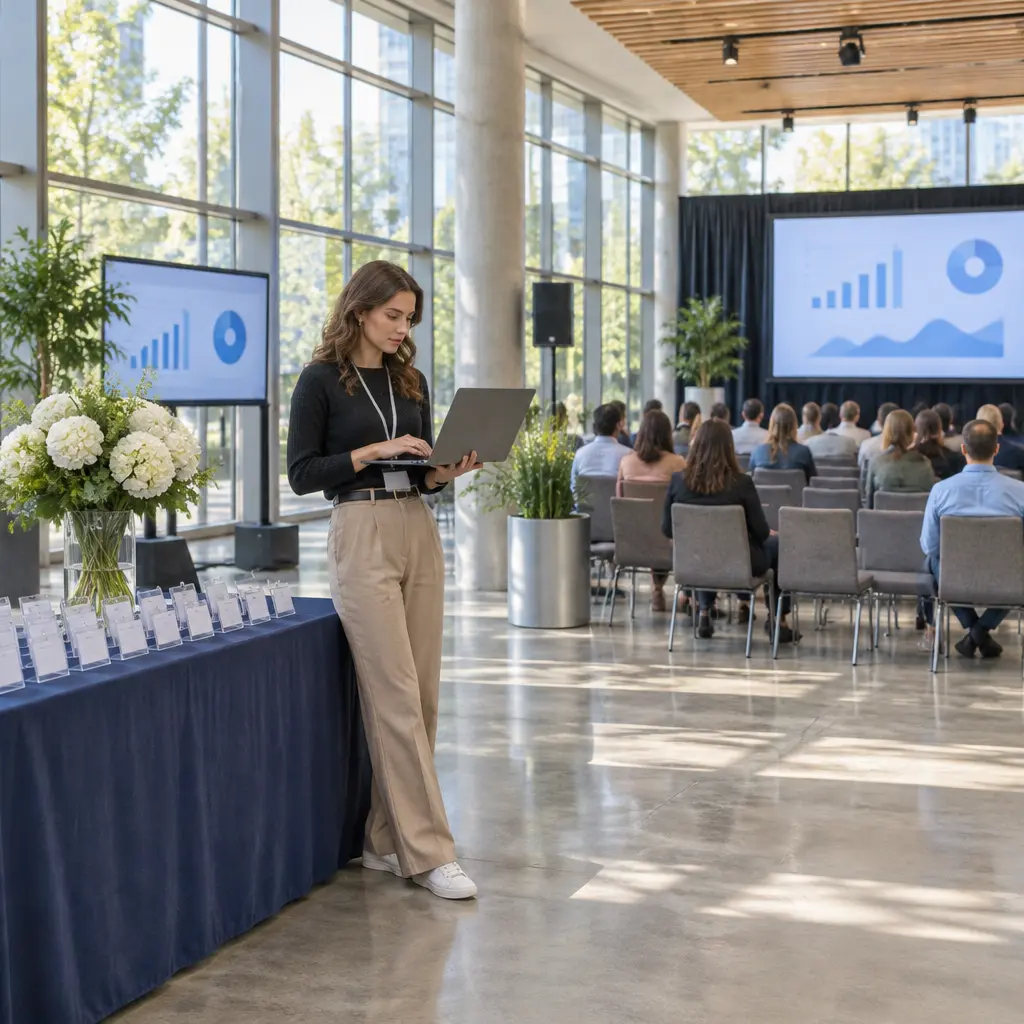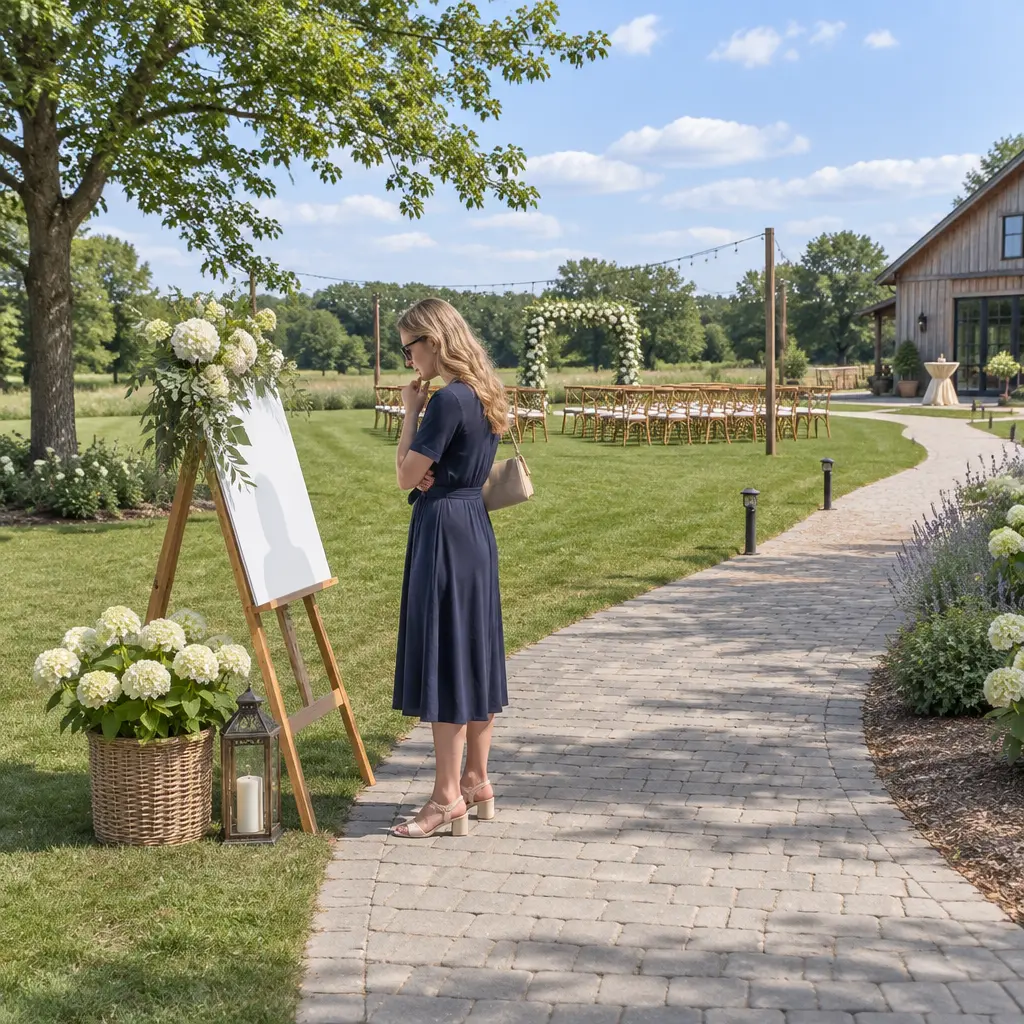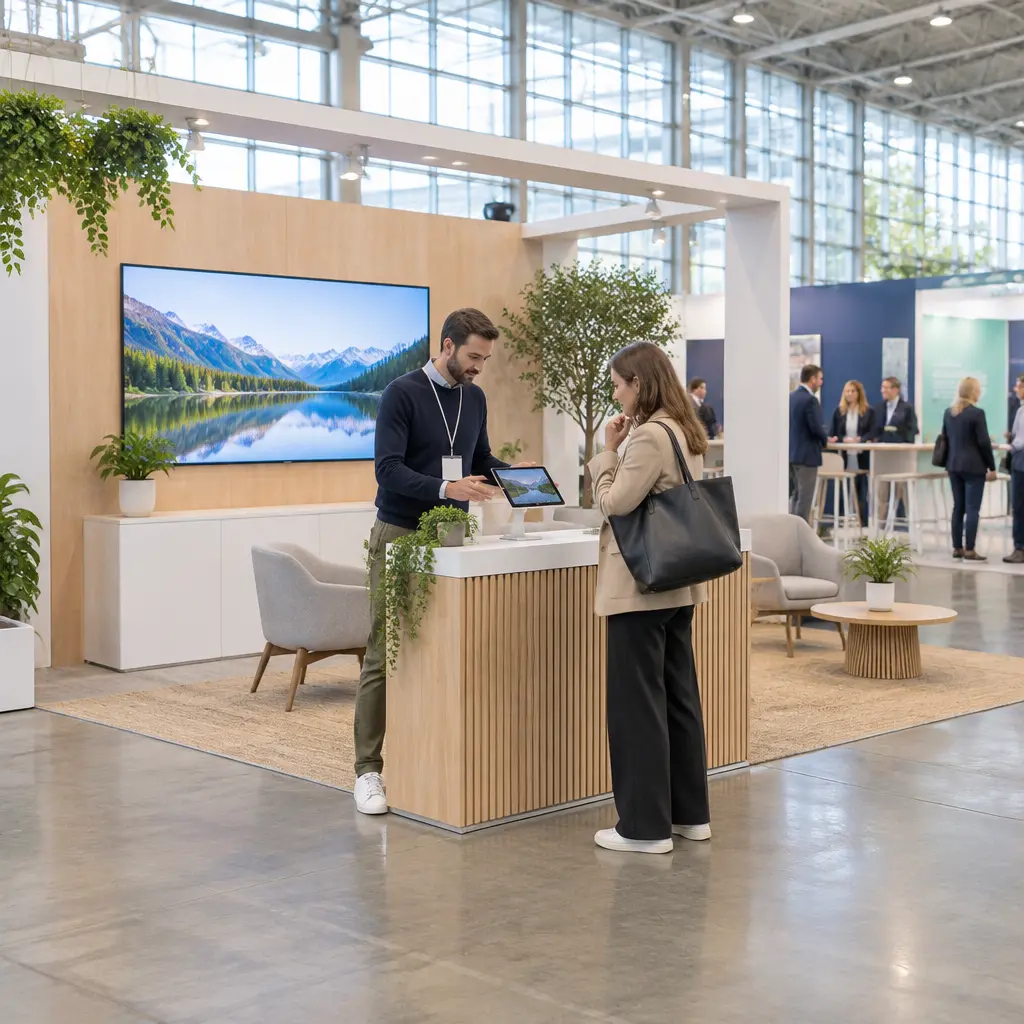
Corporate activation booths are temporary, branded experiences at conferences, trade shows, and other events, designed to turn visitor interest into useful business relationships. A high-performing booth does more than attract attention: it guides visitors through a clear, welcoming experience, offers value before requesting information, and makes lead capture quick and transparent. The design matters because event leads can be valuable but are easy to lose through confusing layouts, intrusive forms, or slow follow-up. This guide explains the principles behind low-friction branded flows, how to design booth zones and interactions, what to ask during lead capture, and how to measure results—using established event and privacy guidance to ground practical recommendations.
Define the corporate activation booth experience
A corporate activation booth is a branded, temporary environment where an organization invites people to interact with its products, services, expertise, or community. In contrast with a static display, an activation is built around visitor participation: a demonstration, consultation, trial, game, workshop, sampling moment, or other exchange. The Center for Exhibition Industry Research (CEIR) describes business-to-business exhibitions as face-to-face marketing environments that enable attendees to discover suppliers and engage with products and services. That context makes the booth both a brand experience and a point in the organization’s sales and marketing process.
A lead is not simply a badge scan or a collected email address. For an activation to produce a useful lead, the information should be gathered with the visitor’s knowledge and connected to a relevant next step. Event professionals can therefore treat the booth as a short journey: attract attention, establish relevance, provide an experience, invite an optional exchange, and follow up according to the visitor’s stated interest.
Design corporate activation booth flows around visitor intent
A branded flow is the sequence of physical and digital interactions that moves a visitor from first noticing a booth to deciding whether to engage and what should happen afterward. Its essential characteristic is continuity: the signage, staff conversation, activity, form, and follow-up should all communicate the same promise. The Nielsen Norman Group’s usability guidance emphasizes reducing unnecessary effort and making choices understandable—principles that apply to booth interactions as much as to websites.
The flow should accommodate different levels of intent. Someone passing by may only want a quick overview, while a qualified buyer may be ready for a detailed conversation. A single, compulsory pathway can frustrate both. Instead, offer clear levels of engagement, from a glanceable message to an optional demonstration or consultation, and make the lead form a natural continuation rather than a barrier to the experience.
Awareness and attraction: make the promise visible
The awareness stage is the visitor’s first impression, usually formed before they enter the booth. Use one primary message that tells people what they can learn, try, or solve. Supporting copy can identify the intended audience or benefit, but competing headlines, dense product lists, and unexplained jargon make the invitation harder to understand. A demonstration or distinctive visual can draw attention, provided it does not obstruct circulation or create an uncomfortable crowd.
Treat the headline as a promise that the rest of the experience must fulfill. If the sign offers a product comparison, visitors should be able to compare products. If it promises expert advice, staff should be prepared to provide it. This alignment is especially important in busy exhibition halls, where attendees make rapid decisions about how to spend limited time.
Engagement: offer value before asking for details
Engagement is the part of the activation where visitors receive something useful or enjoyable. Examples include a brief product trial, a personalized assessment, a practical tip, a sample, or a short expert conversation. The experience should remain worthwhile even if someone chooses not to share contact information. That approach makes participation feel voluntary rather than transactional and helps staff begin conversations around visitor needs.
Choose an interaction that fits the time available and the booth’s purpose. A quick quiz may suit a high-traffic consumer activation; a guided demonstration may be more useful for a complex business product. If the activity takes several minutes, provide a visible estimate of its duration and a way to join without blocking the aisle. Staff can then invite visitors to continue the conversation or receive related material, without suggesting that personal information is required to access the core experience.
Conversion: make the next step clear and optional
Conversion is the point at which an interested visitor agrees to a follow-up action, such as receiving a resource, booking a meeting, requesting a quote, or speaking with sales. A well-designed booth makes the choices explicit. Instead of a vague “stay in touch” request, explain what the visitor will receive, which team may contact them, and what happens next.
Separate the visitor’s requested follow-up from any additional marketing permission where applicable. Consent requirements depend on jurisdiction and the communication channel, so organizations should have their privacy and legal teams review forms and processes. The U.S. Federal Trade Commission’s guidance on truthful, non-deceptive practices is also relevant: the booth’s claims and the form’s description of what happens afterward should match the actual experience.
Structure booth zones to reduce friction
A booth’s physical layout is part of its conversion design. Visitors need to understand where to pause, where to interact, and how to leave without feeling trapped. The most effective layouts balance visibility, accessibility, staff movement, and conversational privacy. They also accommodate different visit lengths instead of forcing every attendee into the same interaction.
Create distinct zones for passing, trying, and talking
A practical booth can be organized into three overlapping zones: an open edge for quick discovery, an activity area for demonstrations or sampling, and a quieter space for longer conversations. These need not be separated by walls. Flooring, lighting, furniture, product placement, and signage can signal the transition. Keep the most inviting activity visible from the aisle, while positioning forms and deeper sales conversations far enough inside that visitors do not feel they must commit just to look.
Plan circulation around actual event conditions. Check the venue’s rules for aisle clearance, electrical connections, accessibility, and materials, and test how queues will form during peak periods. The U.S. Access Board’s accessibility standards provide a useful baseline for accessible routes in covered facilities; event organizers and exhibitors should also verify applicable local requirements. Accessible routes, readable signage, and seating options make the experience easier for more attendees.
Use environmental cues to guide visitors
Environmental cues are visual or spatial signals that show visitors what to do next. A concise sign such as “Try the two-minute demo” is more actionable than a general brand slogan. Staff positions can also guide flow: one person welcomes and answers quick questions, while another supports demonstrations or longer discussions. Avoid placing a tablet or giveaway directly at the entrance if it creates a bottleneck or makes the booth feel like a checkpoint.
The design should also account for sensory load. Bright screens, amplified audio, animated displays, and dense graphics compete for attention. Select a small number of elements that reinforce the main message, and provide a calmer option for conversation. The result is not only more legible; it also gives staff a better chance to hear visitors and understand their needs.
Capture leads with minimal effort and clear consent
Lead capture is the collection of information that supports a requested business follow-up. Friction increases when a visitor must enter unnecessary details, repeat information already available from a badge scan, or guess how their data will be used. The goal is not to collect the maximum number of fields; it is to collect the minimum information needed to honor the visitor’s request and route it appropriately.
Ask only for information that supports a next action
A short form may ask for a name, work email, and one relevant preference, such as the topic the visitor wants to discuss. Add company, role, phone number, or qualification questions only when they have a clear operational purpose. If an attendee requests a scheduled sales call, a phone number may be useful; if they only want a downloadable guide, it may not be necessary.
Use plain language to explain required fields and what follows submission. Labels should remain visible while someone enters information, and error messages should say how to fix a problem. For QR-based forms, check loading speed, mobile readability, keyboard behavior, and connectivity before the event. Keep a staff-assisted alternative available for visitors who prefer not to use their own device.
Make badge scanning transparent
Badge scanning is a convenient way to record attendee details, but convenience does not make the exchange self-explanatory. Tell visitors what scanning captures and what follow-up they can expect before scanning. Staff should confirm the person’s interest and record a useful note, rather than treating the scan itself as proof of qualification or permission for every future communication.
If a visitor declines a scan, offer a lower-commitment way to participate, such as a printed resource, a public product page, or an anonymous demonstration. This preserves the value of the activation for people who are exploring, while allowing genuinely interested visitors to opt into a more direct next step.
Protect data and respect privacy expectations
Responsible capture includes secure handling, limited access, and a clear retention process. The U.S. Federal Trade Commission advises businesses to collect only the data they need, protect it, and dispose of it when it is no longer required. Organizations serving people in other jurisdictions should assess applicable privacy rules, including requirements for lawful processing, notices, consent, and individuals’ rights.
At the booth, practical safeguards include locking devices when unattended, avoiding visible attendee lists, using approved event or customer relationship management systems, and restricting exports to authorized staff. A privacy notice should be easy to find, but it should not replace a short, direct explanation from the person requesting the information.
Train booth staff to turn interactions into relevant leads
Staff behavior can either reinforce or undermine the booth design. A friendly, non-pressuring opening gives visitors room to identify what they need. Team members should know the activation’s central promise, the most common visitor questions, the correct capture process, and how to route requests to the right colleague.
Use open questions and active listening
Open questions invite a visitor to describe their context rather than answer yes or no. For example, “What are you hoping to improve in this area?” can reveal more than “Are you interested in our platform?” Staff can then connect the relevant product feature or resource to the stated need. A short summary—“You’re comparing options for a team rollout”—helps confirm understanding before asking whether the visitor wants follow-up.
Keep the conversation proportional to the visitor’s interest. A quick exchange should not become a lengthy qualification interview, and a visitor seeking detailed advice should have access to a knowledgeable specialist. Staff should avoid unsupported claims, pressure tactics, and promises about outcomes that the organization cannot substantiate.
Record context that improves follow-up
A concise note about the visitor’s stated need, product interest, or requested action can make follow-up more relevant than a bare contact record. Agree on a small set of consistent tags before the event, such as “demo requested,” “pricing inquiry,” or “send case study.” Avoid recording sensitive or speculative information that is not needed for the business purpose.
Before the event, rehearse handoffs between greeters, product specialists, and sales representatives. A clear handoff prevents visitors from repeating the same explanation and reduces the risk that an important request is lost amid a busy shift. Provide a named owner for each lead category so staff know who is responsible after the event.
Measure activation performance beyond badge scans
A booth should be evaluated against its objectives, not by a single headline number. Badge scans and form completions show activity, but do not by themselves establish visitor satisfaction, lead quality, or business impact. Define success measures before the event and compare results with relevant past activations, accounting for differences in audience, location, duration, and staffing.
Track a balanced set of measures
A balanced measurement plan can include:
-
Reach: estimated booth visits or meaningful interactions, rather than impressions alone.
-
Engagement: demonstrations completed, samples distributed, workshop participation, or consultations held.
-
Capture quality: proportion of records with a stated interest, requested next step, and usable contact details.
-
Experience: visitor feedback, observed queue friction, accessibility issues, and staff observations.
-
Business outcomes: meetings held, opportunities created, pipeline influenced, or other outcomes that match the event’s purpose.
Use consistent definitions. For example, agree whether a “qualified lead” requires a fit with the target audience, an expressed business need, and an agreed follow-up action. Report both totals and rates where useful: a high number of scans may conceal a low proportion of meaningful conversations, while a smaller number of well-matched meetings may better serve a focused business event.
Follow up promptly and learn from the results
Follow-up should reflect what the visitor requested. Send the promised resource or meeting details, identify the event in the message, and avoid generic bulk communication that ignores the conversation. Route leads according to the agreed ownership rules and record whether the next step occurred. A follow-up promise that is not fulfilled weakens trust and reduces the value of the activation.
After the event, compare results with the original objectives and gather feedback from staff and attendees. Note where visitors hesitated, which messages prompted useful conversations, whether the form caused drop-offs, and how queues affected access. This creates a practical improvement loop for the next activation. The American Marketing Association’s event-marketing discussions commonly emphasize connecting event activity to measurable objectives; a documented post-event review makes that connection actionable.
Conclusion: make every booth interaction a useful choice
Effective corporate activation booths align a clear brand promise with a visitor-centered flow. Attraction sets expectations, engagement provides value, and conversion offers an explicit next step. Thoughtful booth zones, accessible cues, concise forms, transparent badge scanning, and respectful staff conversations reduce friction without sacrificing lead quality. Measurement should extend beyond scans to visitor experience, follow-up completion, and outcomes tied to the activation’s goals.
Before your next event, map the visitor journey, remove any request that does not support a clear purpose, test the experience on a mobile device, and train staff on consent and handoffs. Then review the results and improve the flow based on evidence. A booth that makes participation easy and follow-up trustworthy can strengthen both immediate business outcomes and long-term brand relationships.
Sources: Center for Exhibition Industry Research, The Role and Value of Face-to-Face Interaction, https://www.ceir.org/; Nielsen Norman Group, 10 Usability Heuristics for User Interface Design, https://www.nngroup.com/articles/ten-usability-heuristics/; U.S. Federal Trade Commission, Protecting Personal Information: A Guide for Business, https://www.ftc.gov/business-guidance/resources/protecting-personal-information-guide-business; U.S. Access Board, ADA Accessibility Standards, https://www.access-board.gov/ada/; American Marketing Association, Event Marketing Resources, https://www.ama.org/marketing-news/