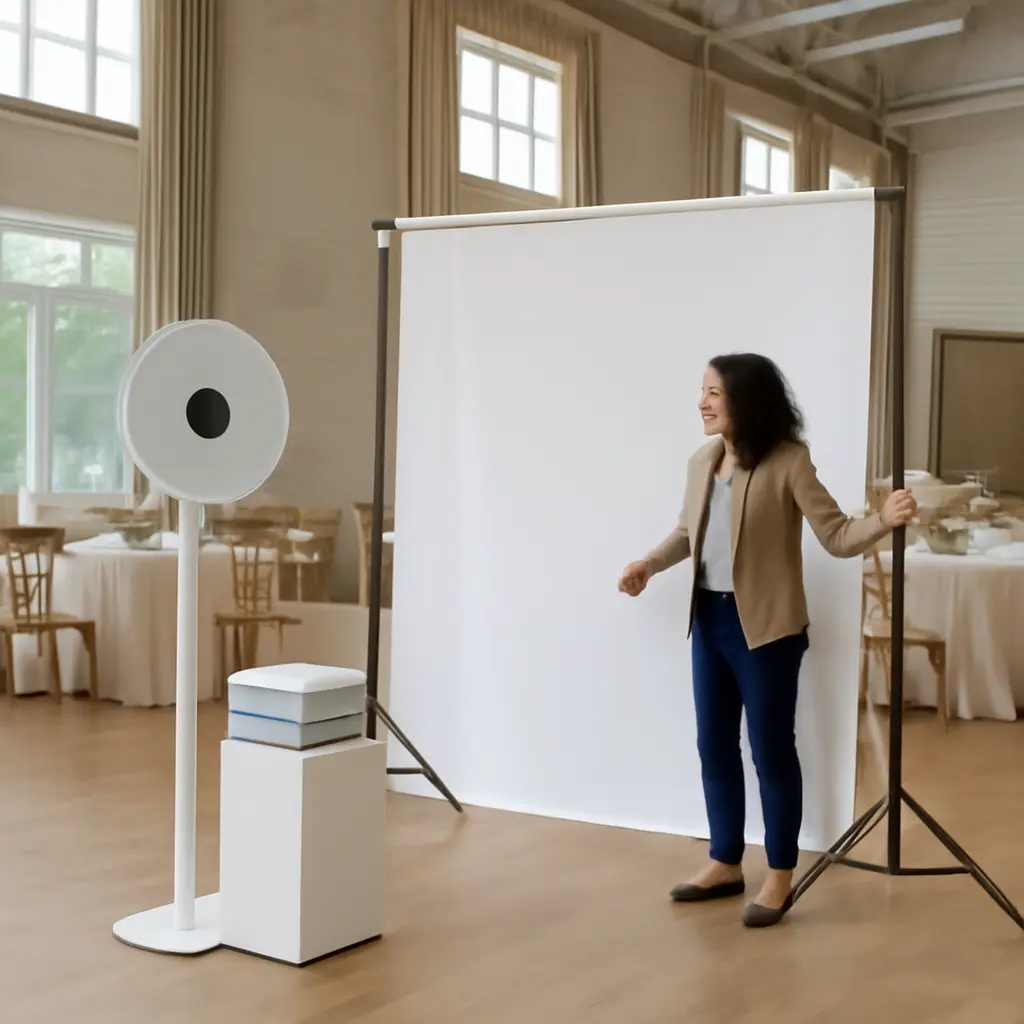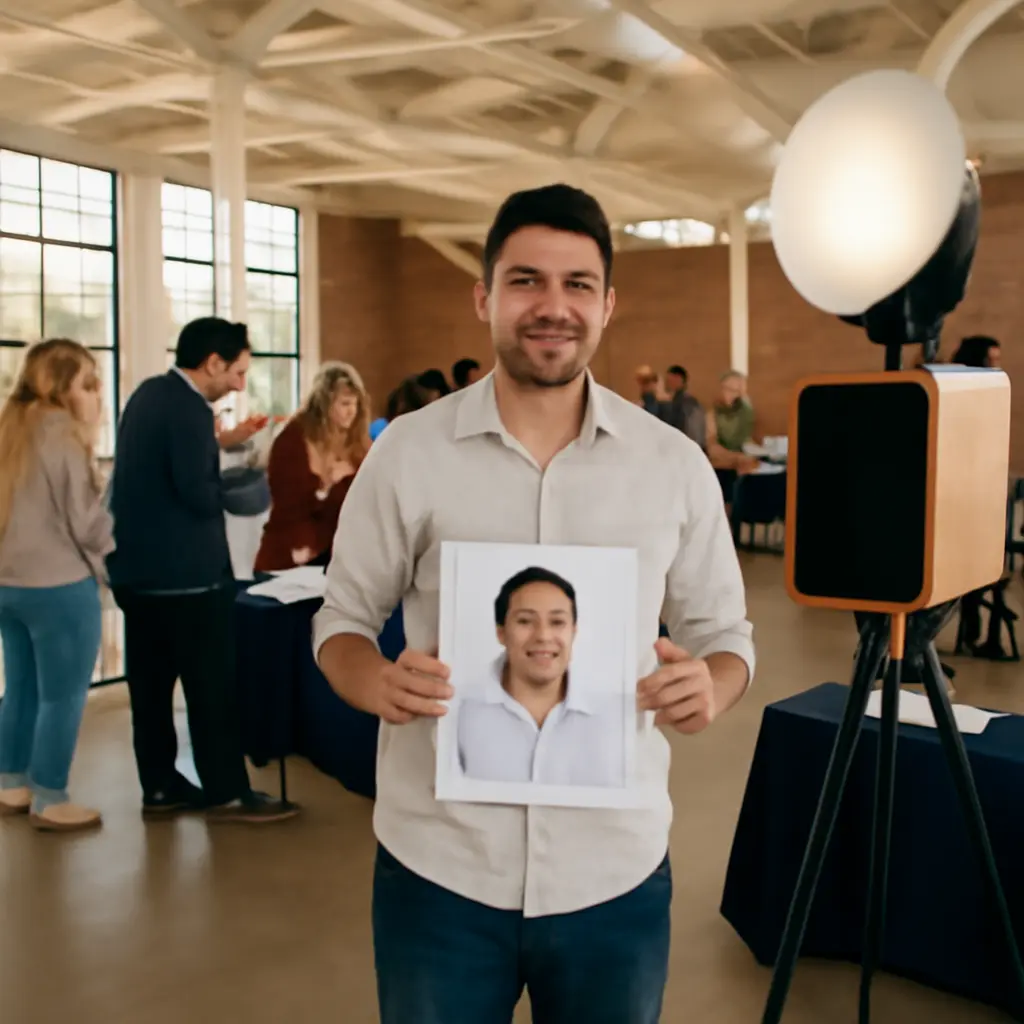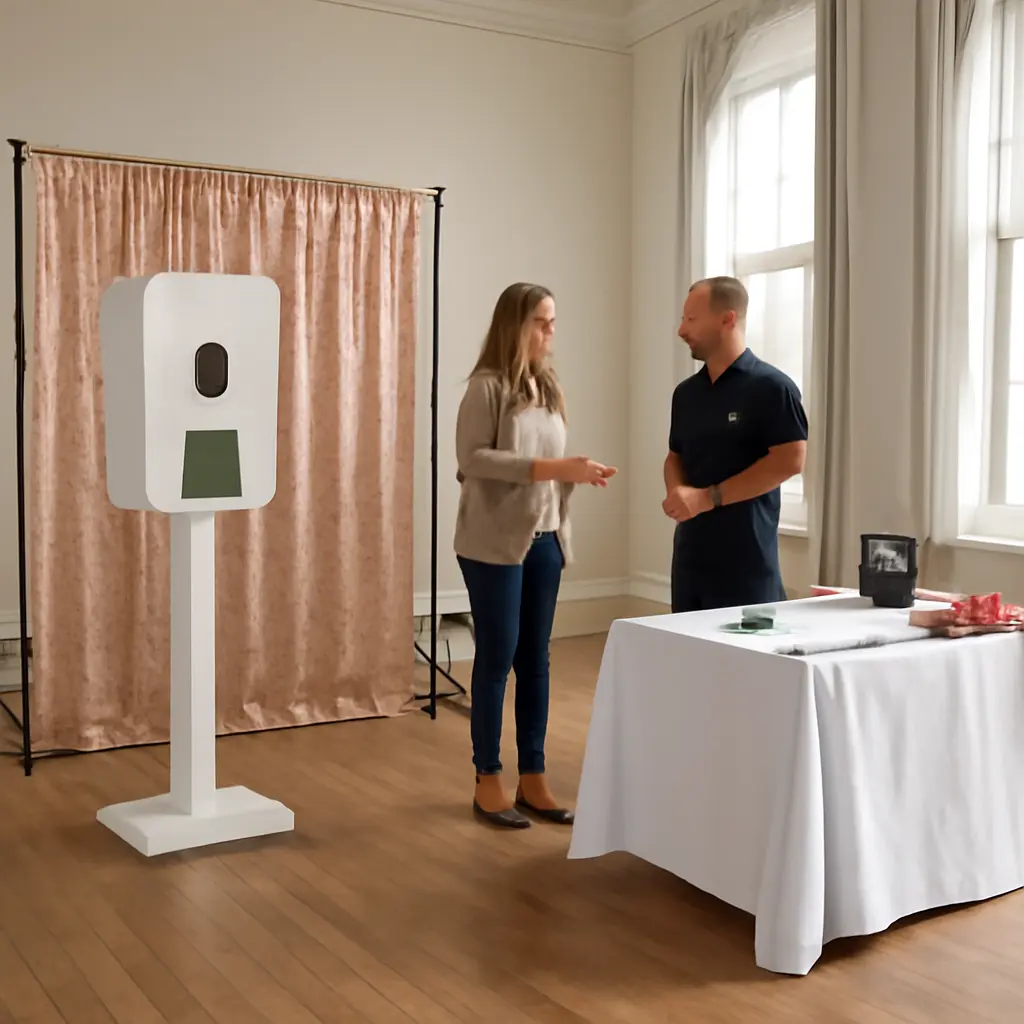
A photo booth rental is a service that provides event guests with a camera-based setup for taking pictures, often with instant prints or digital sharing. To get reliable answers from photo booth companies, renters should ask specific, comparable questions about what is included, staffing, space and power, image delivery, accessibility, privacy, cancellation, and total cost. The U.S. Bureau of Labor Statistics reported that Americans spent an average of 2.5 hours per day on leisure and sports in 2023, illustrating the value people place on shared leisure time—but a booth’s success still depends on practical planning, clear service terms, and a good fit for the event.
Photo booth rental questions clarify the service package
A useful quote describes the actual service rather than relying on a package name such as “premium” or “all-inclusive.” Ask each company to itemize the hours, booth format, delivery and setup, attendant, prints, backdrop, props, customization, digital delivery, taxes, travel, and any overtime or venue-related charges. The Federal Trade Commission advises consumers to understand the full cost and terms of a deal before agreeing to a purchase; that same habit helps prevent surprises when booking event services.
What does the quoted price include?
Ask for a written breakdown and clarify what “rental time” means. It may refer to guest-facing booth operation, not the time required for delivery, setup, testing, or teardown. Confirm whether the company charges for travel, parking, stairs, extended access, custom artwork, extra prints, or additional operating hours. Request the final estimated total, including applicable taxes and fees, and ask what could change that figure.
Which booth type fits the event?
A traditional enclosed booth offers privacy; an open-air booth can accommodate larger groups and more varied backdrops; a mirror booth uses a reflective touch-screen interface; and a roaming booth lets an operator take pictures among guests. A 360-degree booth records short rotating videos and often needs more space and active supervision. Ask to see examples from the specific equipment and software the company will bring, rather than assuming every package produces the same image quality or guest experience.
Photo booth operations depend on venue coordination
Once the package is clear, confirm that the service can operate in the venue’s actual conditions. The venue, not just the booth company, may set rules for access, power, placement, insurance, noise, and guest movement. A smooth booking connects the company’s equipment requirements with the venue’s floor plan and event schedule well before event day.
How much space and power are required?
Ask for the booth’s footprint, including the backdrop, props table, queue, and any equipment that must remain accessible. Confirm the required outlet type, whether an extension cable is supplied, and whether the booth needs a dedicated circuit. For outdoor events, ask about rain, wind, sunlight, temperature limits, shelter, and a backup indoor location. Share the venue’s floor plan with the provider and get the final placement approved by venue staff.
Who sets up, attends, and handles problems?
Clarify arrival and setup times, how long testing takes, and whether an attendant stays for the full service period. Ask who guests can contact if the booth stops working, what backup equipment is available, and whether the company can continue service after a technical issue. If the event has a tight schedule, agree on a setup deadline and a named day-of contact. These details turn a general promise of support into an operational plan.
Photo booth deliverables shape the guest experience
The booth is not only a camera rental: its output, branding, and sharing options determine what guests take away. Ask for a sample print and digital gallery from a comparable event, and confirm the delivery timeline and image resolution. The U.S. Copyright Office explains that copyright generally belongs initially to the creator of a work, subject to exceptions and agreements; therefore, renters should ask what image-use permissions the contract grants rather than assuming they own every photo.
Are prints unlimited, and what happens to digital files?
“Unlimited prints” can mean different things: one print per session, copies for each person in a group, or printing only while supplies last. Ask how many copies each session produces and whether paper and ink are sufficient for the expected guest count. For digital files, confirm whether guests receive a text, email, QR code, or gallery link, when the gallery will be available, how long it remains online, and whether high-resolution downloads are included.
Can the design and experience be customized?
Customization may include a print layout, event name, date, colors, logo, digital screen, backdrop, or prop selection. Ask when artwork must be submitted, whether a proof is provided, how many revisions are included, and whether the design works in both print and digital formats. For a business event, check brand guidelines and image-use permissions. For a personal event, ask whether the company can accommodate a specific theme without adding undisclosed fees.
Photo booth contracts define privacy, access, and risk
Before paying a deposit, read the agreement for what happens when plans change, images are stored, or equipment cannot be used. Contract details matter because a verbal assurance may not explain deadlines, refunds, liability, or data handling. The Federal Trade Commission recommends reading terms and understanding cancellation and refund policies before committing to a transaction.
What are the cancellation and change policies?
Ask whether the deposit is refundable, how rescheduling works, and what happens if the venue changes, the event is postponed, or severe weather affects an outdoor setup. Confirm the deadline for changing event hours or location and whether those changes incur a fee. The contract should also state what happens if the provider cancels or cannot supply the agreed equipment, including whether a substitute provider or refund is offered.
How are guest photos stored and shared?
Ask whether images are stored on a device, uploaded to a cloud service, or shared through a public gallery; who can access them; how long they are retained; and how deletion requests are handled. Find out whether the company uses images for marketing and whether guests can opt out. If the event includes children or sensitive business activity, discuss consent and gallery controls with the provider and venue in advance.
Is the booth accessible to all guests?
Accessibility includes more than a clear route to the booth. Ask whether a wheelchair can approach and use the setup, whether the camera and screen can be adjusted for different heights, and whether instructions are readable and easy to follow. Consider lighting, flash sensitivity, audio prompts, language needs, and the availability of an attendant who can assist without taking control away from guests. Share relevant needs early so the provider can confirm what it can reasonably accommodate.
Photo booth company comparisons should use evidence
Compare providers using the same event details and questions, not star ratings alone. The Federal Trade Commission notes that online reviews can be misleading, including through fake or manipulated reviews. Look for specific, recent feedback about punctuality, print quality, communication, and problem resolution, and ask for references or galleries from events similar in size and format to yours.
What should renters verify before booking?
Use a short checklist to make offers comparable:
- Written package inclusions, final estimated price, and all potential fees.
- Booth type, sample output, print quantity, and digital delivery timeline.
- Setup footprint, power needs, venue approval, and outdoor backup plan.
- Attendant coverage, technical support, and contingency equipment.
- Cancellation, rescheduling, overtime, image storage, and usage terms.
- Accessibility options and any event-specific accommodations.
Conclusion: photo booth questions make bookings more dependable
Getting real answers from photo booth companies means turning broad package claims into clear, written commitments. Compare the full price and booth format, coordinate space and power with the venue, verify prints and file delivery, and review cancellation, privacy, accessibility, and image-use terms. Before booking, send each finalist the same event details and request a written response to the checklist. That simple step makes proposals easier to compare and gives both renter and provider a practical plan for event day.
Sources: U.S. Bureau of Labor Statistics, American Time Use Survey—2023 Results, https://www.bls.gov/news.release/archives/atus_06272024.htm; Federal Trade Commission, Shopping Online, https://consumer.ftc.gov/articles/shopping-online; Federal Trade Commission, How To Recognize and Avoid a Fake Review, https://consumer.ftc.gov/consumer-alerts/2022/10/how-recognize-and-avoid-fake-review; U.S. Copyright Office, Copyright Basics, https://www.copyright.gov/circs/circ01.pdf; U.S. Department of Justice, ADA Requirements: Effective Communication, https://www.ada.gov/resources/effective-communication/.