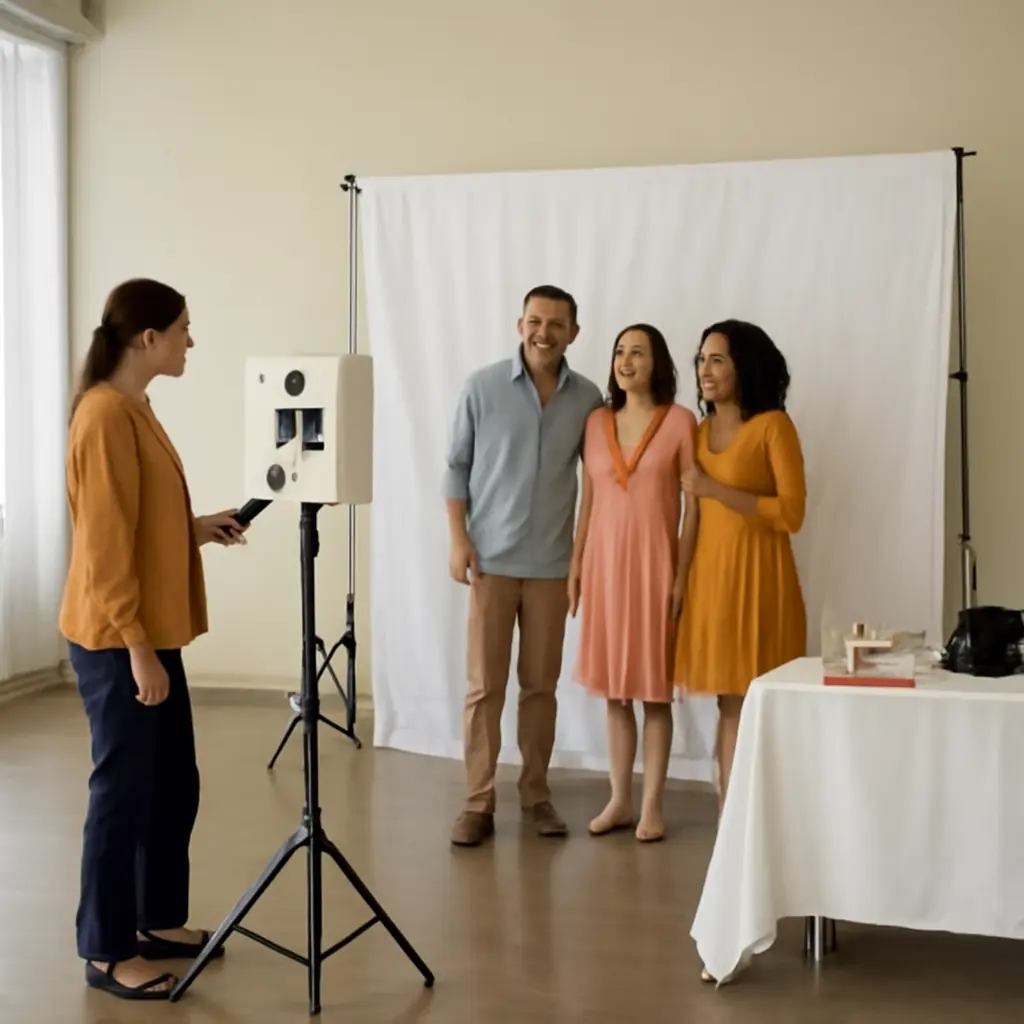
Instant guest memories are small, personalized keepsakes created and delivered during an event—such as a printed photo, a custom illustration, or a short video guests can save and share. They work best when they are easy to receive, genuinely personal, and worth keeping beyond the event. That matters in a world where experiences drive spending: Eventbrite’s 2024 survey of consumers in the United States, United Kingdom, and Australia found that 79% of respondents said they would prioritize spending on experiences over material things. Thoughtful photo stations, live personalization, accessible digital delivery, and privacy-conscious design can turn a brief interaction into a lasting reminder of a gathering.
Instant Guest Memories: Personalization, Experience Design, and Lasting Keepsakes
Create instant guest memories through meaningful personalization
“Instant guest memories” is a practical event-planning concept rather than a formally standardized academic term. It describes personalized mementos made available to attendees during, or soon after, an event. The Association of Event Organisers describes event experiences as interactions that engage attendees before, during, and after an event; a keepsake can extend that experience into everyday life. Strong examples include a guest’s portrait printed on site, a customized place card that doubles as a souvenir, or a QR code linking to a private event gallery.
The central attribute is not speed alone: it is the combination of immediacy and personal relevance. A generic giveaway may be forgotten, while a well-made item connected to a person, moment, or shared activity can have more meaning. Eventbrite’s 2024 research supports the broader value of experience-led choices: 79% of surveyed consumers said they would prioritize spending on experiences over material things. That figure describes consumer preferences, not the retention rate of event favors, but it helps explain why organizers increasingly design participatory experiences rather than relying on undifferentiated merchandise.
Useful categories include instant photography, personalized objects, digital galleries, and collaborative keepsakes. Each can create a memorable result, but the best choice depends on the event’s audience, budget, venue, accessibility needs, and privacy expectations. The sections below explain how to make these formats personal, practical, and dependable.
Personalization: connect the keepsake to the guest
Personalization means adapting a memento to an attendee or to a meaningful feature of the occasion. It might be as simple as printing a guest’s name on a photo sleeve, or as involved as creating a quick custom illustration. The design should feel intentional, not merely decorated: names, dates, messages, event colors, and references to a shared activity can all establish context.
The U.S. Federal Trade Commission’s guidance on online privacy emphasizes being clear about how personal information is collected and used. That principle applies to event personalization, too. Collect only the details needed to produce the keepsake, explain how they will be used, and avoid making participation dependent on sharing more information than the guest expects. For a low-friction approach, offer an optional name field or let guests choose a template themselves.
Immediacy: deliver the memory while the moment is fresh
An instant keepsake is produced or shared at the event, reducing the gap between the experience and the memento. A photo booth that prints a portrait in under a minute, a live sketch artist who hands over a finished drawing, or a digital gallery that sends a private download link shortly after a group activity are all examples.
Speed is useful only when it does not compromise quality or create queues. Plan for peak demand, test printers and devices in advance, and have a backup process for connectivity or equipment failures. Pew Research Center reported in its 2024 mobile fact sheet that 91% of U.S. adults own a smartphone. That makes digital delivery broadly practical, but it does not mean every guest has reliable mobile service, wants to scan a code, or prefers a screen-based souvenir. A print-and-digital option accommodates more preferences.
Choose keepsake formats that suit the event and its guests
Once the purpose is clear, select a format that fits the occasion. A wedding, community celebration, business conference, and children’s party have different expectations for tone, production time, and take-home value. The following formats are related but not interchangeable: photography preserves a real moment, personalization creates an individual object, and digital delivery makes sharing and access easier.
Instant photography and printed portraits
Instant photography turns a captured moment into a physical print during the event. It works well when guests can pose comfortably and when the image has room for a date, event name, or short message. A clearly marked photo area, good lighting, and an attendant who can help guests make the experience smoother.
For example, a family reunion might use a simple portrait backdrop and provide each household with a labeled print. A company celebration could offer optional team portraits with a discreet event date rather than a large promotional logo. In either case, the image should be flattering and easy to carry. Provide a digital alternative for guests who do not want their photographs displayed publicly or who would rather not take a physical item home.
Personalized objects and live-made keepsakes
A personalized object is a useful or decorative item adapted to the event or recipient. Examples include a name-printed bookmark, a small illustrated card, a custom ribbon, or a reusable cup marked with an event date. Live-made keepsakes—such as calligraphy, caricatures, or quick watercolor portraits—add a visible creative process and give guests something distinctive to take home.
Material choice affects whether an item is likely to remain useful. The United Nations Environment Programme’s guidance on single-use plastics describes the environmental pressures associated with disposable products. For event planners, this supports choosing durable, reusable, recyclable, or low-waste materials where feasible. Avoid producing large quantities of items that guests did not request; offer a choice, or make items to order to reduce leftovers.
Digital galleries, video messages, and QR delivery
A digital keepsake is a photo, video, audio message, or collection that guests can access through a secure link or QR code. It is convenient for people who want to share an image with family or keep a copy on their phone. A QR code can also connect a printed card to a gallery, allowing one small physical item to lead to a larger collection.
Digital delivery should include clear instructions, a reasonable access period, and a plan for guests who cannot or do not wish to use a smartphone. Protect the gallery with appropriate access controls, obtain permission before publishing identifiable images, and explain whether guests can download or share files. Pew Research Center’s smartphone ownership data helps justify offering mobile access, but an inclusive event should retain a non-digital route as well.
Design guest-memory experiences for access, privacy, and reliable delivery
A keepsake only succeeds if guests can participate comfortably and receive it reliably. Accessibility, consent, and production planning are therefore part of the experience—not details to address after choosing the design. A polished memory station should be easy to find, simple to use, and respectful of different needs and preferences.
Accessible participation and inclusive choices
Accessible design lets guests participate regardless of mobility, vision, hearing, language, or comfort with photography. The U.S. Department of Justice explains that the Americans with Disabilities Act applies to public accommodations, including many businesses and event venues. Organizers should check applicable requirements with the venue and make the activity usable in practice: provide clear signage, an accessible route, readable instructions, adequate lighting, and staff assistance when needed.
Participation should be optional. Some guests may not want their image taken, may prefer not to stand for a portrait, or may not want to join a group activity. Offer alternatives such as an illustrated card, a written message, or a small non-photographic keepsake. Where possible, provide instructions in the primary languages used by attendees and let guests choose whether their image is private, shared with the event host, or included in a group gallery.
Consent, image handling, and data minimization
Consent means giving guests clear information and a genuine choice about being photographed, filmed, or included in a gallery. Put the notice near the activity, explain what will happen to the images, and provide a simple way to opt out. Do not assume that attending an event means agreeing to public posting or marketing use.
The FTC’s privacy guidance encourages organizations to collect only the information they need and to explain their practices plainly. For an event gallery, that can mean limiting access, setting a deletion date, and avoiding unnecessary personal details in filenames or captions. For corporate events, follow the organization’s own records and privacy policies; for events involving children, use particularly careful permission procedures and consult relevant institutional rules.
Production planning, queues, and contingency measures
Production planning covers the staff, equipment, materials, and timing needed to deliver each keepsake consistently. Estimate demand from attendance and expected participation, then test the full process—from taking a photo to handing over a print—before guests arrive. Keep spare paper, batteries, ink, cables, and a second delivery option where the budget permits.
For a popular station, use a clear queue, appointment slots, or multiple capture points. Offer a fast option for guests who are short on time and a more involved option for those who want to participate. If a device or network fails, staff should know how to record the guest’s request and deliver the item later without losing the personalization. A small pilot during setup can reveal confusing instructions or bottlenecks before the event begins.
Measure whether instant guest memories are worth keeping
A successful keepsake is not measured only by how many items are produced. Organizers can assess participation, guest satisfaction, delivery reliability, accessibility, waste, and later engagement. The event-industry research cited above describes a strong consumer interest in experiences, but planners should test their own audience rather than assume one format suits everyone.
Track participation and guest response
Participation rate is the share of attendees who use the memory station or claim a keepsake. A brief optional feedback question can reveal whether guests found the activity enjoyable and whether the item felt personal. Track operational measures too, such as average wait time, number of prints reissued, digital link failures, and unclaimed items.
For example, an organizer might compare a photo-print station with a custom-message card at a future event, while keeping the audience and setup as similar as possible. The comparison can identify which option guests actually use, not simply which one looks appealing in a planning document. Avoid collecting names or contact details for evaluation unless they are genuinely needed and guests have been told why.
Use a practical quality checklist
Before the event, check whether the keepsake is relevant, accessible, durable or easy to save, and deliverable within the available time. Confirm that guests understand what they are receiving and how their images or information will be handled. Afterward, review waste, feedback, and production problems to improve the next event.
- Does the keepsake reflect the event or the guest, rather than serving as generic advertising?
- Can guests participate without being photographed or sharing personal information?
- Is there both a digital and non-digital option where practical?
- Are access, consent, and image-retention instructions clear?
- Have equipment, staffing, supplies, and backup delivery been tested?
- Can the organizer reduce unused items and choose more sustainable materials?
Conclusion: make the memory personal, accessible, and lasting
Instant guest memories are most effective when personalization and immediacy are supported by thoughtful format choices, accessible participation, careful privacy practices, and reliable production. Printed portraits, custom-made objects, and secure digital galleries each offer a different way to preserve an event; the right option depends on what guests will value and how they want to take part.
Start with one simple keepsake, test it with the event’s audience, and measure both guest response and practical performance. Make participation optional, explain how images and data are handled, and avoid producing items guests are unlikely to use. These steps turn a fleeting event interaction into a meaningful reminder—and help ensure that the memory is one guests choose to keep.
Sources: Eventbrite, 2024 Event Trends Report, https://www.eventbrite.com/blog/event-trends/; Pew Research Center, Mobile Fact Sheet, https://www.pewresearch.org/internet/fact-sheet/mobile/; U.S. Federal Trade Commission, Protecting Personal Information: A Guide for Business, https://www.ftc.gov/business-guidance/resources/protecting-personal-information-guide-business; United Nations Environment Programme, Beat Plastic Pollution: Single-Use Plastics, https://www.unep.org/interactives/beat-plastic-pollution/; U.S. Department of Justice, ADA Requirements: Effective Communication, https://www.ada.gov/resources/effective-communication/; Association of Event Organisers, About AEO, https://www.aeo.org.uk/about-aeo/